Quick Answer
Slippage in DeFi is the difference between the amount you expect to receive from a crypto swap and the amount you actually receive when the transaction is executed. It can occur because prices fluctuate, liquidity changes, the blockchain takes time to confirm the transaction, or the size of the trade is large relative to the available liquidity.
Slippage isn’t always a platform error. In many DeFi and crypto swap scenarios, it’s a normal market mechanism. The important thing is to understand why it happens and what to check before confirming a transaction.
Why Slippage Matters in DeFi
DeFi, or decentralized finance, is a broad term for financial products and services accessible via blockchain networks and smart contracts. Instead of relying on traditional financial intermediaries, many DeFi tools use code, wallets, liquidity pools, and on-chain transactions.
This makes DeFi open and flexible, but it also means that users need to understand the mechanics behind every action. When you swap one token for another, the final outcome can depend on market conditions, liquidity depth, blockchain speed, and transaction settings.
That’s why slippage is one of the first DeFi terms every beginner should learn.
What is slippage?
Simply put, slippage is the gap between the expected swap result and the result that is actually executed.
Example:
You open a swap page and expect to receive 100 tokens. The market moves before the transaction is executed. The transaction completes, and you receive 98.7 tokens. The difference is the slippage.
Slippage can be negative or positive. In most discussions among users, the focus is on negative slippage because it means receiving less than expected. However, in some cases, the final amount may actually be better than the initial estimate.
Slippage vs. Price Impact
Slippage and price impact are closely related, but they are not exactly the same thing.
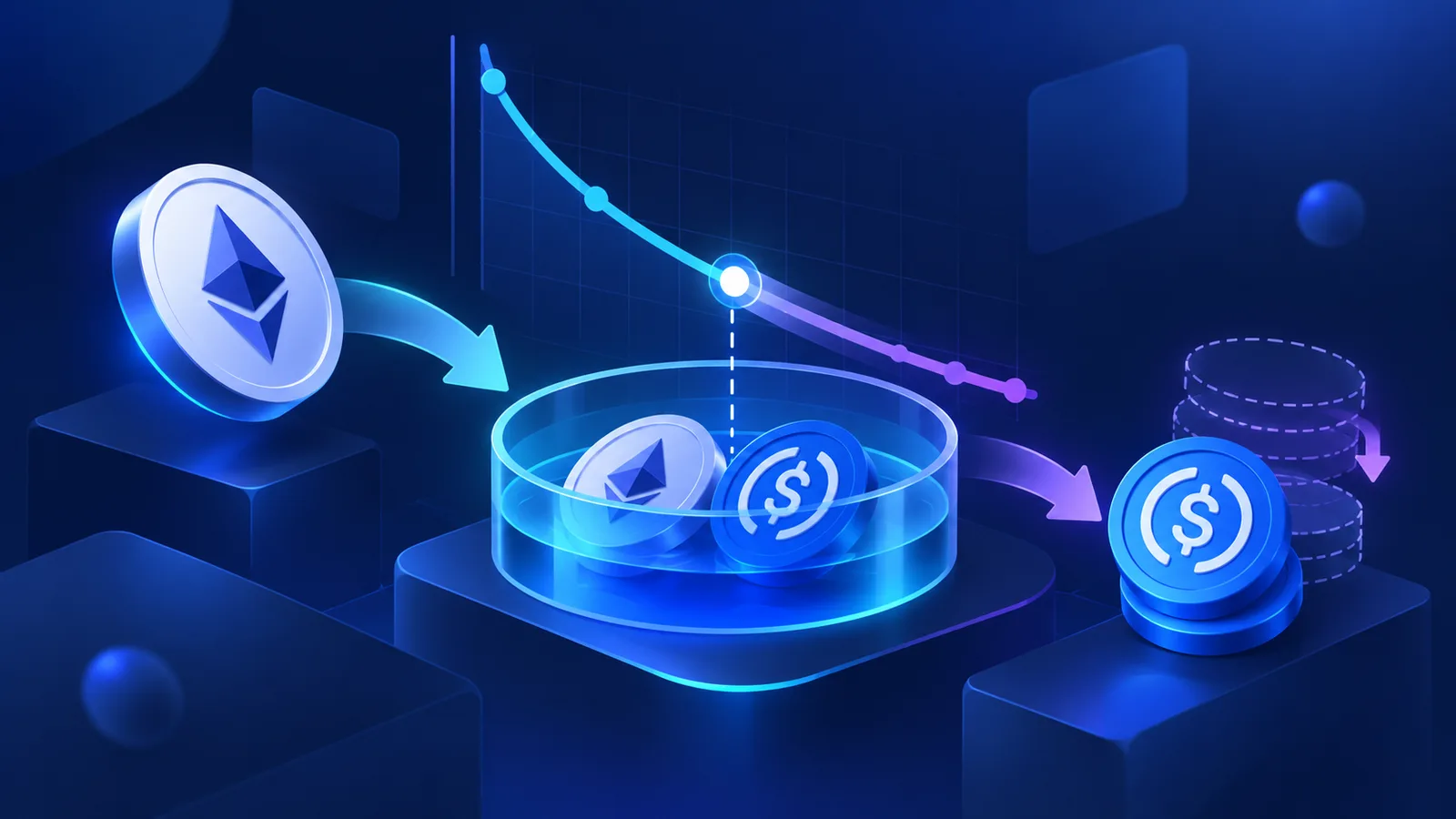
Price impact is the extent to which your trade itself affects the execution price due to the trade size and liquidity depth.
Slippage is the total difference between the expected price and the final executed price. It can include price impact, market movement, and changes that occur while the trade is pending confirmation.
A small swap in a pool with deep liquidity usually has a lower price impact. A larger swap in a shallow pool can move the price more noticeably.
Why Slippage Occurs
There are several common reasons.
1. Low liquidity
Liquidity refers to how much of an asset is available for trading. If a token pair has deep liquidity, swaps are usually easier to execute close to the expected price. If liquidity is thin, even a moderate swap can move the price. This is particularly important for new tokens, low-market-cap assets, and niche DeFi pairs.
2. Large trade size
A trade can be large not only in absolute dollar terms but also relative to the liquidity pool. A $500 trade may be small in a large stablecoin pool but large in a pool for a new or illiquid token.
The more your trade size affects the available liquidity, the greater the price impact you may see.
3. Market volatility
Crypto prices can change rapidly. If the market moves while your transaction is pending, the final execution price may differ from the quote you saw before submitting the transaction.
This is common during sharp market movements, high-volume events, token launches, or major news.
4. Blockchain Confirmation Time
On-chain transactions aren’t always instantaneous. They must be submitted, included in a block, and confirmed by the network. During that time, market conditions may change.
Network congestion, low gas settings, or heavy activity on the blockchain can increase the time between the quote and execution.
5. Routing and Liquidity Sources
Some swaps are routed through multiple pools or liquidity sources. This can improve the price in some cases, but it also means that the final result depends on the available route at the time of execution.
For a beginner, the key point is simple: the quote is a snapshot, while execution happens later.
What is slippage tolerance?
Slippage tolerance is the maximum difference a user is willing to accept between the expected result and the executed result.
For example, if a swap has a slippage tolerance of 1%, the transaction should not be executed if the final result is worse than the accepted range. If the price moves too much, the transaction may fail instead of completing with a much worse result.
This setting is common in DeFi interfaces, especially on decentralized exchanges. It is designed to protect users from unexpected execution results, but it is not a guarantee against all risks.
A very low tolerance may result in more failed transactions. A very high tolerance may allow for a worse final price. The right setting depends on the asset, liquidity, market conditions, and user preferences.
How Liquidity Pools Affect Slippage
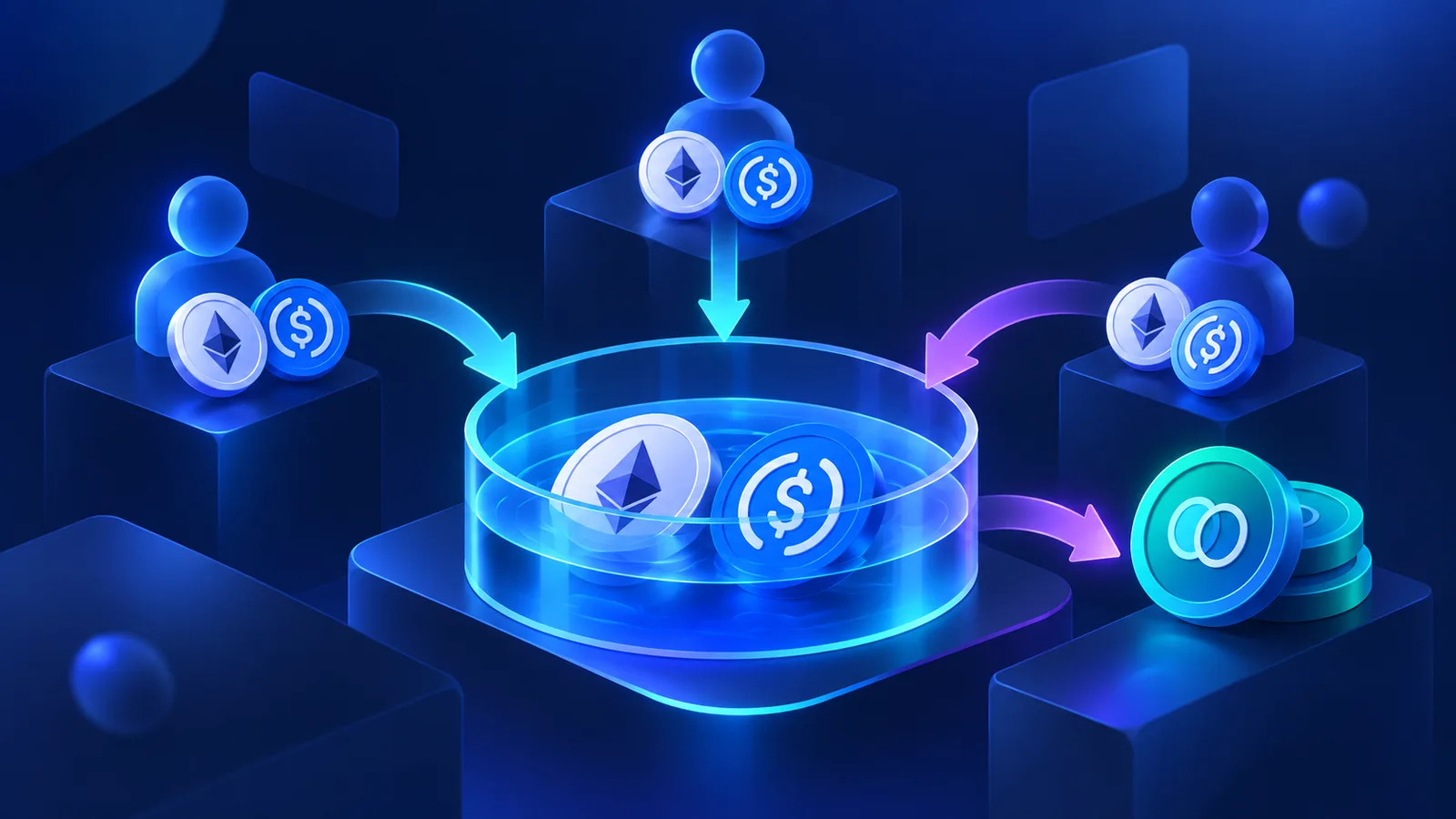
Many DeFi swaps use liquidity pools instead of traditional order books. A liquidity pool contains two or more assets provided by liquidity providers. Users trade against this pool.
When a pool has plenty of liquidity, a swap is less likely to significantly move the price. When liquidity is limited, a swap can more significantly alter the ratio of assets within the pool, which affects the execution price.
That is why the same swap amount can have very different outcomes across different assets or networks.
Simple example
Imagine two pools:
Pool A has $20 million in liquidity.
Pool B has $100,000 in liquidity.
A $1,000 swap is tiny compared with Pool A, so price impact may be small. The same $1,000 swap is much larger relative to Pool B, so price impact may be more noticeable.
This is a simplified example. Real swap execution also depends on fees, routing, token volatility and market activity.
What to Check Before a DeFi Swap
Before making a swap, beginners should check the basic execution conditions.
Checklist
- Is the token pair sufficiently liquid?
- Is the expected amount clearly displayed?
- Is the price impact unusually high?
- Is the slippage tolerance reasonable for the asset?
- Is the network congested?
- Is the token contract correct?
- Is the asset a major token or one with low liquidity?
- Is the transaction time-sensitive?
- Do you understand what happens if the transaction fails?
This checklist doesn’t eliminate all risks, but it helps users avoid the most common mistakes.
Common misconceptions about slippage
"Slippage means something went wrong"
Not always. Slippage can be a normal part of executing a crypto swap, especially in DeFi and volatile markets.
"The quoted amount is always final"
Not always. Some types of swaps display an estimate, while the final amount depends on execution conditions.
"Only large traders need to worry about slippage"
That’s not true. Even a small trade can experience slippage if the asset has low liquidity.
"A higher slippage tolerance is always better"
Not necessarily. It can help a transaction go through, but it can also result in a worse final outcome.
How SimpleSwap users should think about slippage
SimpleSwap is designed to make crypto swapping easier for users who don’t want to interact directly with complex DeFi interfaces. However, the same basic market logic still applies: prices fluctuate, liquidity changes, and blockchain confirmation takes time.
Understanding slippage helps users read swap estimates more carefully and choose the type of exchange that best suits their goals.
If the exact final amount is important, users may want to learn how fixed-rate swaps work. If flexibility matters more, they may want to understand how variable-rate swaps behave.
FAQ
What is slippage in crypto?
Slippage is the difference between the expected swap amount and the actual amount received after execution.
Is slippage the same thing as a fee?
No. A fee is a separate cost. Slippage is a change in the execution price or the final amount. Both can affect the final result.
Can slippage be positive?
Yes. If the market moves in your favor before execution, the final amount may be better than expected. However, users usually focus on negative slippage because it means receiving less.
Why is slippage higher on some tokens?
Slippage is often higher when liquidity is low, volatility is high, or the trade size is large relative to the liquidity pool.
Is slippage only a DeFi issue?
No. Slippage can occur in many markets. In DeFi, it’s particularly noticeable because swaps often take place via liquidity pools and on-chain execution.
Conclusion
Slippage is one of the most important DeFi concepts for beginners. It explains why the amount you expect before a swap may differ from the final amount executed.
The key factors to keep an eye on are liquidity, price impact, market volatility, transaction timing, and slippage tolerance.
Before making any crypto transaction, take the time to understand how the swap works and what can change before execution.