Quick answer
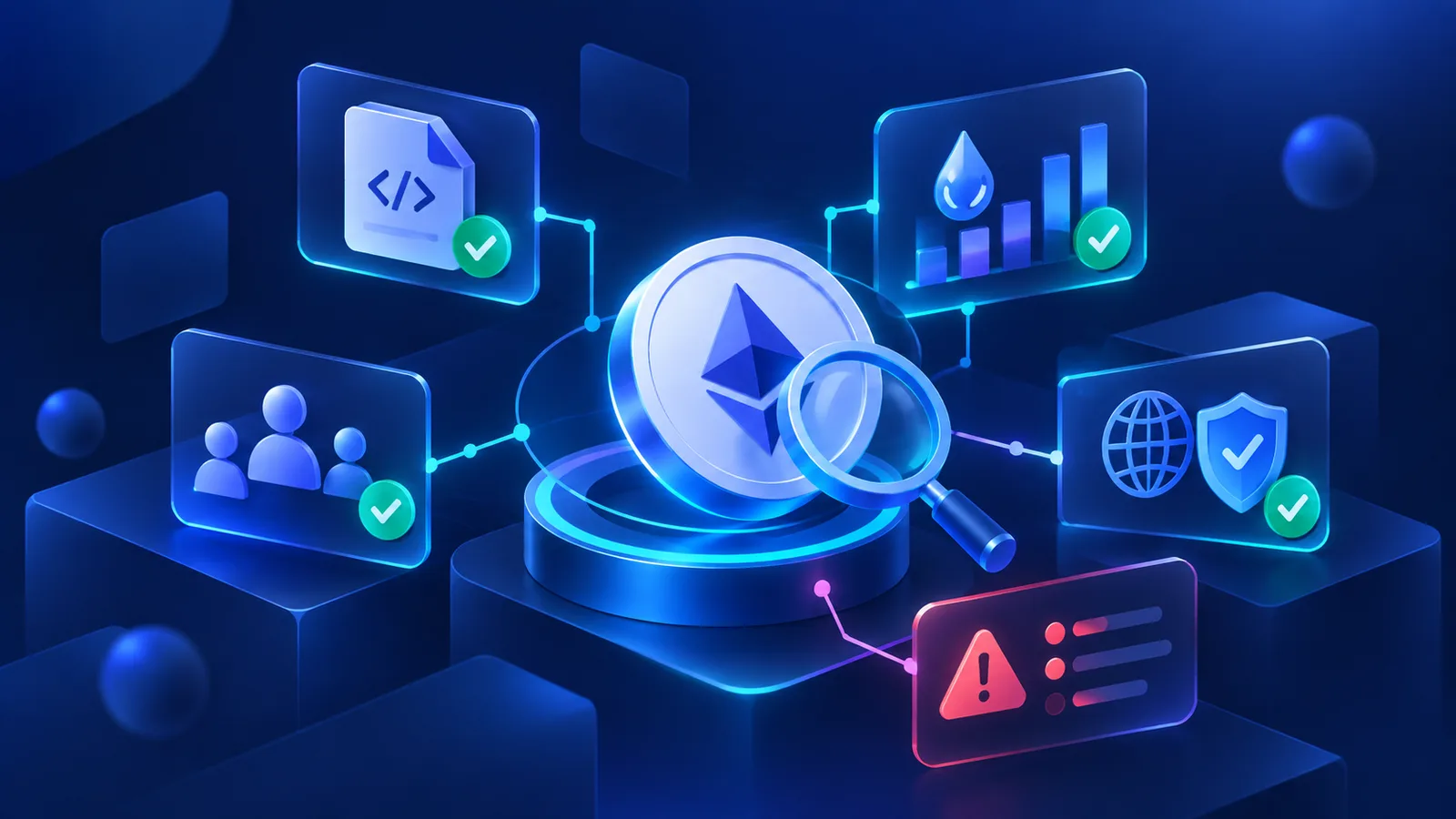
Before swapping a crypto token, beginners should check the token contract, network, liquidity, holder distribution, project website, social channels and basic red flags. This does not guarantee safety, but it can help avoid obvious mistakes.
The goal is not to predict price. The goal is to confirm that the asset and network are what you think they are before you move funds.
Why token checks matter
Crypto makes it easy for new tokens to appear. That is useful for innovation, but it also creates risk. Fake tokens, copycat contracts, low-liquidity tokens and scam links can mislead beginners.
A token can have the same name or ticker as another asset, but the contract address may be different. This is why checking the contract address is one of the first safety steps before adding, sending or swapping a token.
No checklist can make every token safe, but a basic process is better than acting only on hype.
Step 1: Check the contract address
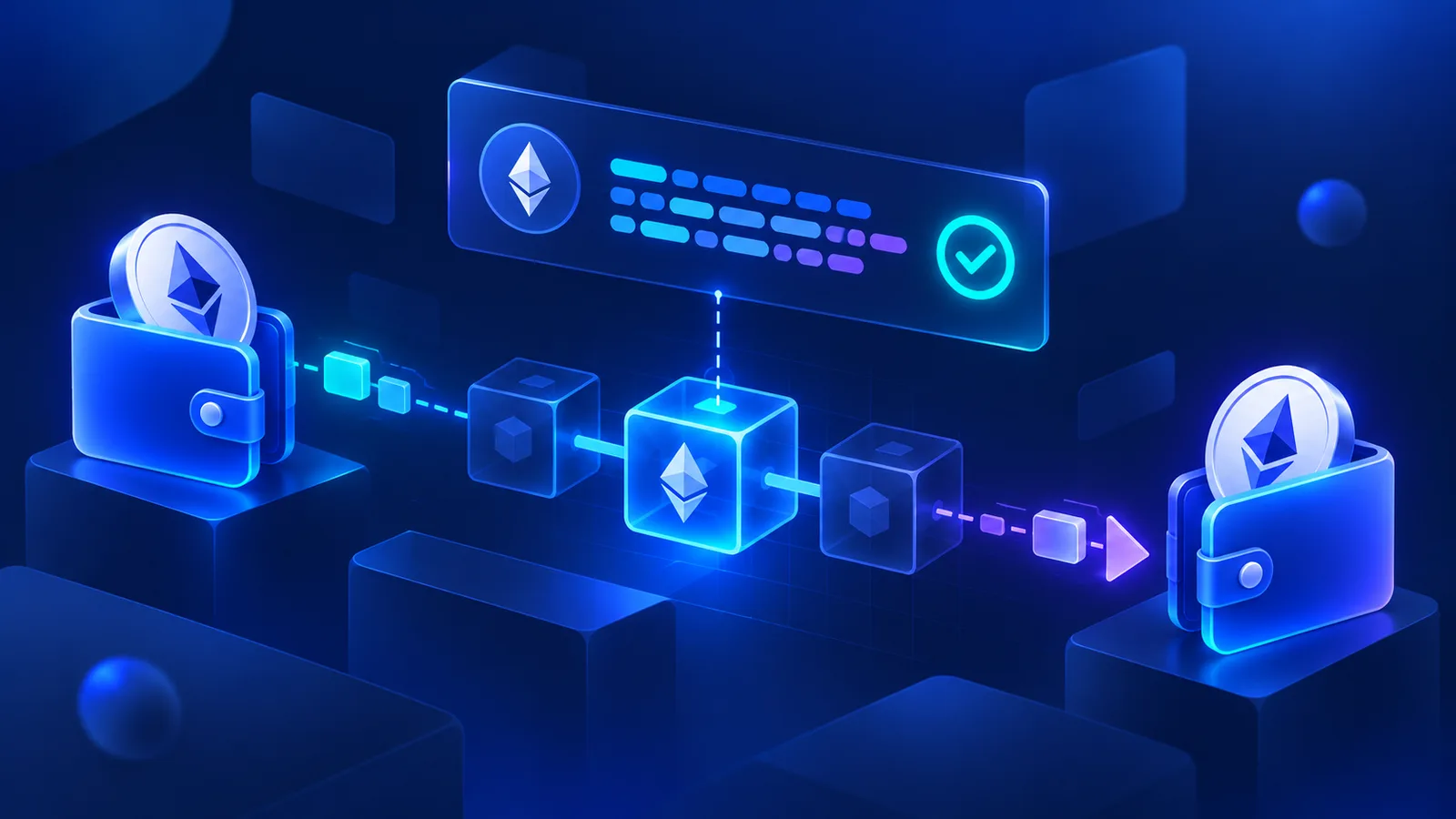
A token contract address identifies a specific token contract on a blockchain. For EVM-compatible networks, it usually looks like a long address starting with 0x.
To check it, use a reputable block explorer or trusted token listing source. Make sure the contract address matches the network you are using. A token on Ethereum and a token on BNB Smart Chain may have different contract addresses.
Never rely only on the token name. Names and tickers can be copied.
Step 2: Check the network
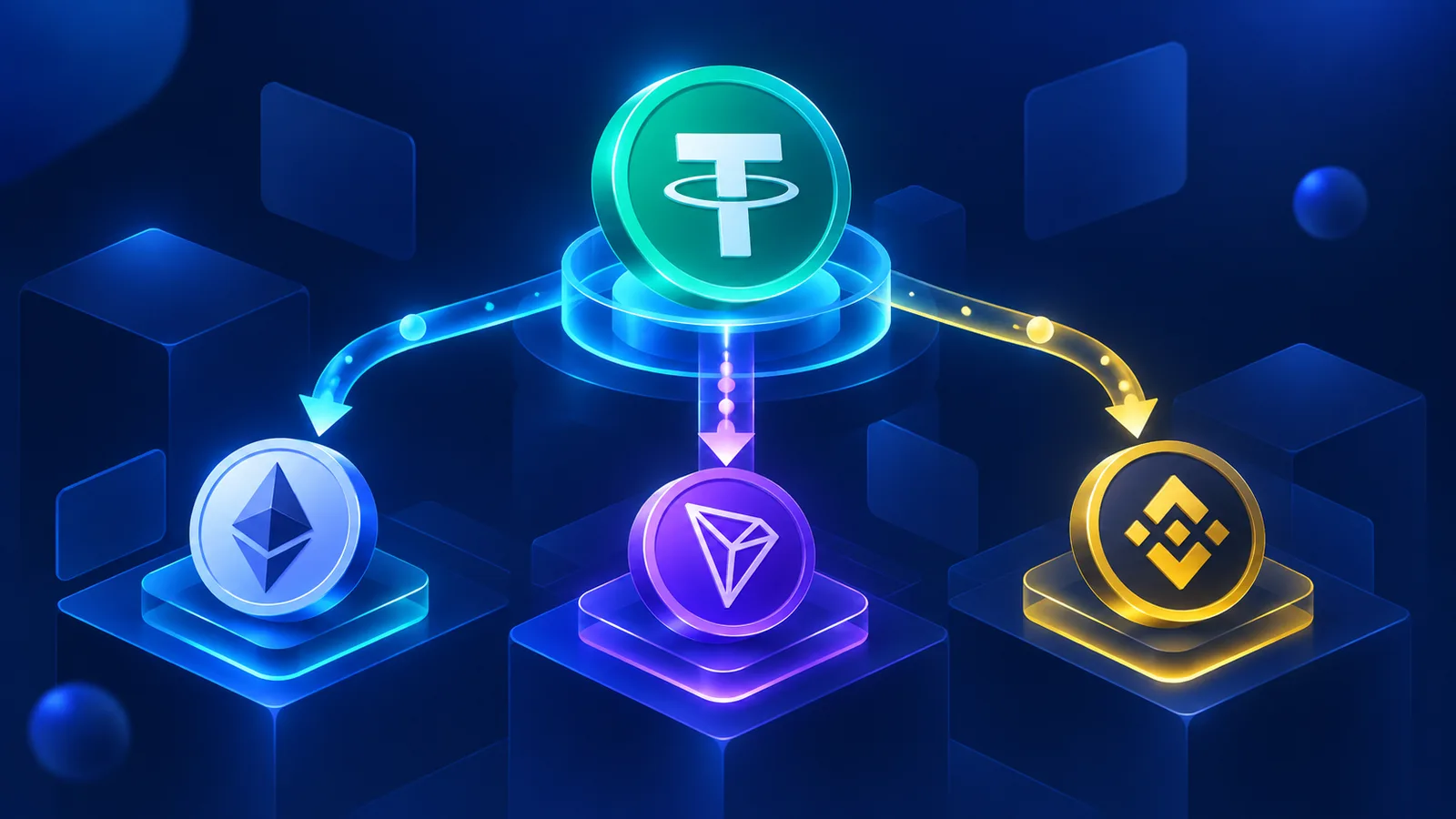
A token can exist on different networks. Before swapping, confirm which network the token uses and whether your receiving wallet supports it.
This is especially important for stablecoins, bridged assets and meme coins. Sending or receiving on the wrong network can cause serious problems.
Step 3: Check liquidity
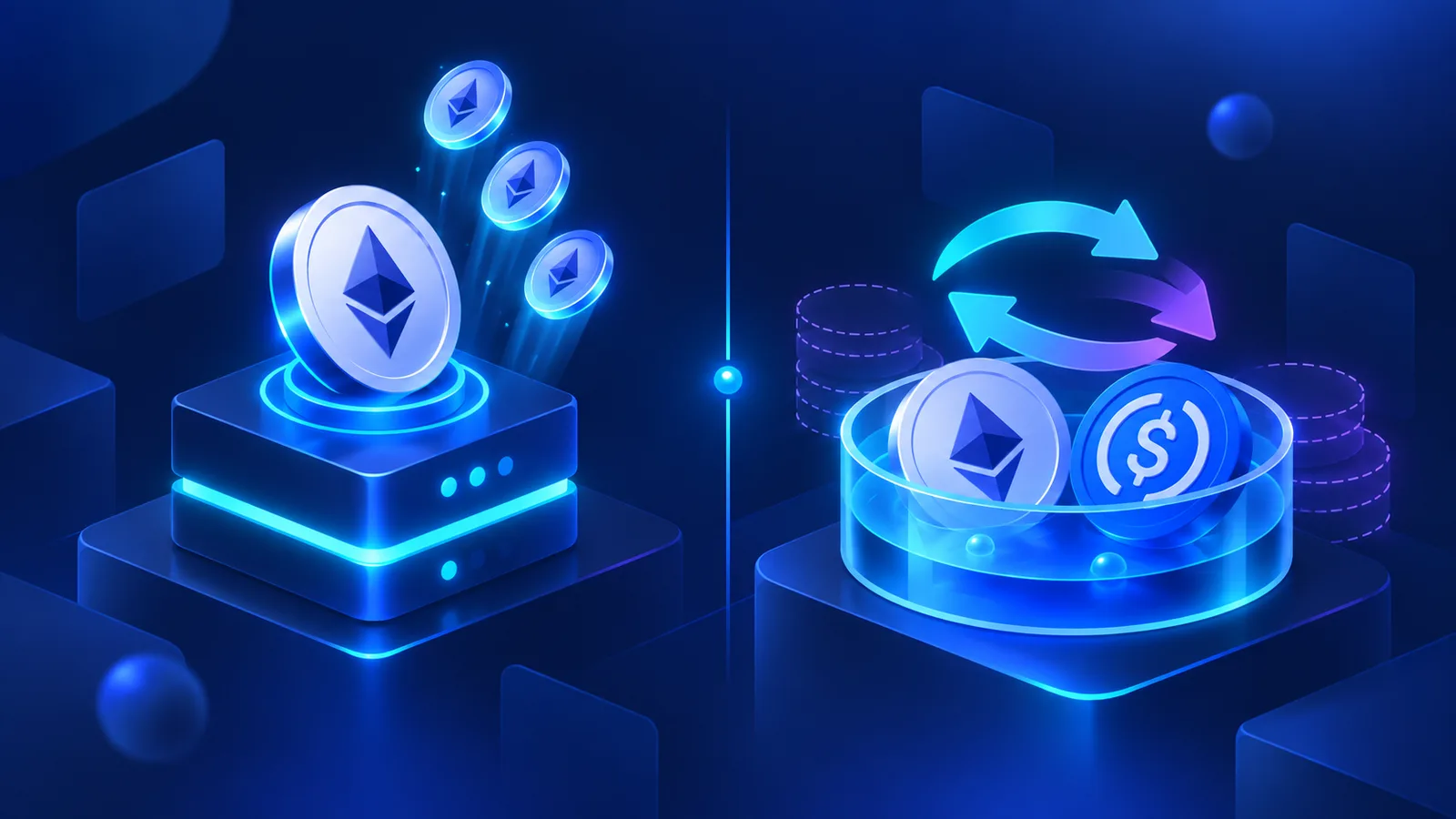
Liquidity affects whether a token can be swapped efficiently. If liquidity is very low, even a small swap can move the price sharply or become difficult to execute.
Low liquidity can also make it hard to exit a position later. A token may look active on social media but still have shallow liquidity.
For DeFi tokens, checking liquidity pools and market depth can help users understand whether swaps may have high price impact.
Step 4: Check holders and distribution
Holder distribution can reveal concentration risk. If a small number of wallets control a very large share of supply, the token may be more vulnerable to large sales or manipulation.
This does not automatically prove a token is unsafe, but it is a useful warning signal. Tokenomics, vesting and team allocations can also matter.
Step 5: Check the project website and socials
A real project should usually have clear official channels, documentation and consistent links. Be careful with fake websites, lookalike domains and social accounts pretending to be support.
Do not connect your wallet to random links from comments, direct messages or fake giveaways. Scam pages often copy branding and urgency to make users act quickly.
Step 6: Check red flags
Unverified or suspicious contract
Very low liquidity
Extreme hype with no clear information
Fake support accounts
Promises of guaranteed profit
Pressure to act immediately
Unclear token supply or holder concentration
Website links that do not match official sources
Any single red flag may not tell the full story, but multiple red flags should make a beginner slow down.
Simple beginner checklist
Token name and ticker
Correct contract address
Correct network
Liquidity level
Holder distribution
Official website
Official social links
No suspicious approvals or random links
Receiving wallet supports the asset
You understand what you are swapping into
How this connects to SimpleSwap
SimpleSwap can help users exchange one crypto asset for another through a straightforward flow. However, users should still understand what token they are receiving and whether their wallet supports it.
Before swapping into a new or trending token, check the contract, network and basic red flags first. The swap should come after the research, not before it.
FAQ
Can a token with the same name be fake?
Yes. Token names and tickers can be copied. The contract address and network are more reliable identifiers.
Does high liquidity mean a token is safe?
No. High liquidity may improve swap execution, but it does not guarantee that a token or project is safe.
Should I connect my wallet to token websites?
Only use official domains and be careful with approvals. Never trust random links from comments, direct messages or fake support accounts.