Quick answer
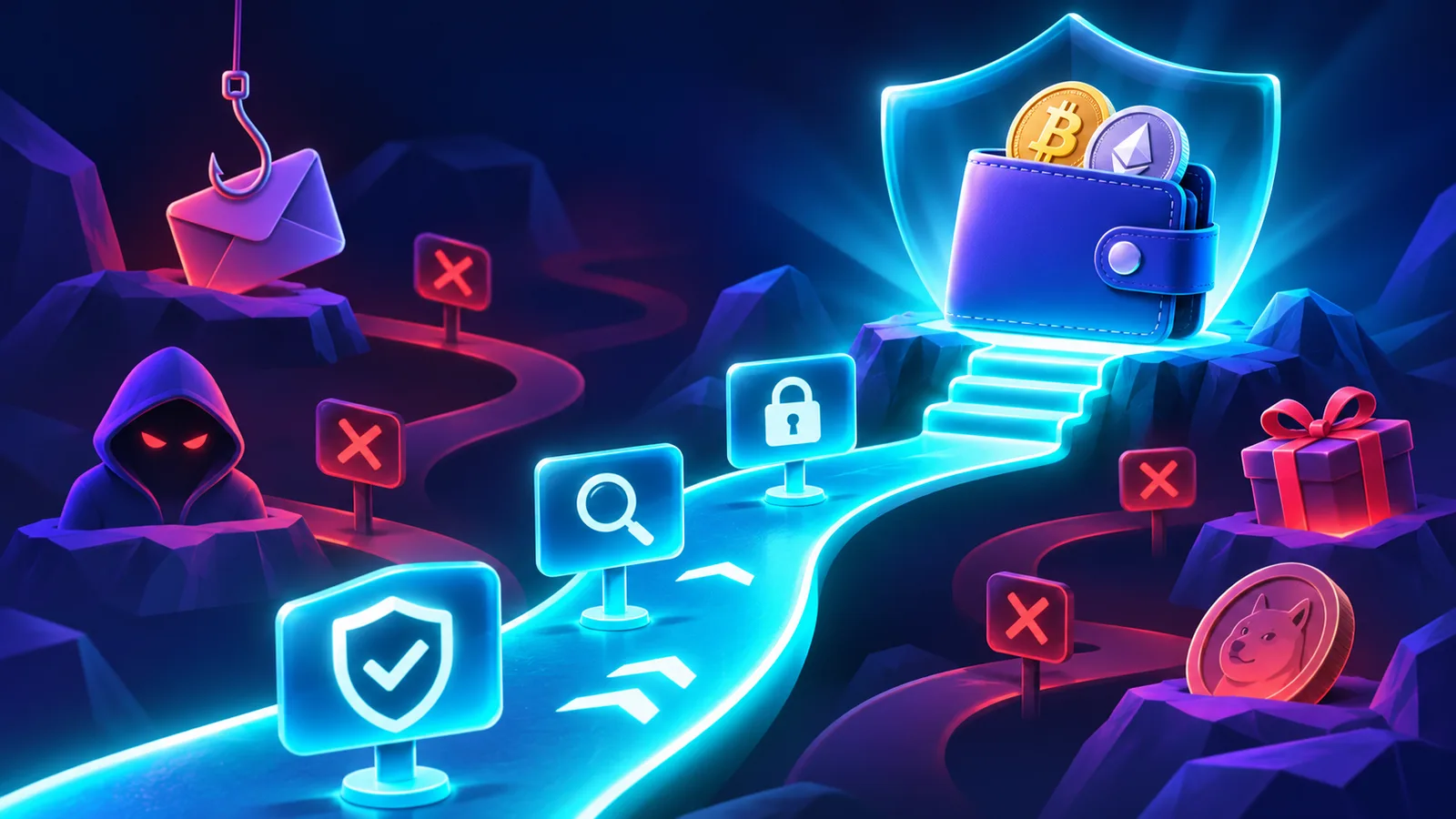
Address poisoning is a scam that tries to make a malicious wallet address look familiar inside your transaction history. An attacker creates a look-alike address and sends a tiny or zero-value transaction so that the fake destination appears near legitimate activity.
The scam does not need to hack your wallet. It depends on you copying the wrong address later. Because confirmed blockchain transfers are usually irreversible, one careless copy-and-paste can cause permanent loss.
Why crypto addresses are easy to imitate
Wallet addresses are long strings that most people do not memorize. Interfaces often shorten them to the first and last few characters.
That makes everyday use easier, but it also creates a visual shortcut. If an attacker can generate an address with a similar beginning and ending, it may look familiar in a shortened list even though the middle is different.
This is why address verification should include more than the first four and last four characters.
How an address poisoning attack works
The attack usually follows a simple sequence.
You make a legitimate transfer to a wallet you trust.
An attacker monitors public blockchain activity and creates a similar-looking address.
The attacker sends a tiny or zero-value transaction involving your wallet, placing the look-alike address in your history.
Later, you copy an address from history instead of the original trusted source.
If you send to the poisoned address, the funds go to the attacker.
Why transaction history is not an address book
A blockchain history is a record of activity, not a verified contacts list. Anyone can often send tokens or transactions to a public address without permission.
That means the appearance of an address in history does not prove that you previously trusted it. Treat history as evidence of what happened, not as a source of approved destinations.
If your wallet has a contacts or address book feature, save important addresses only after verifying them independently.
How wallets can warn about poisoning
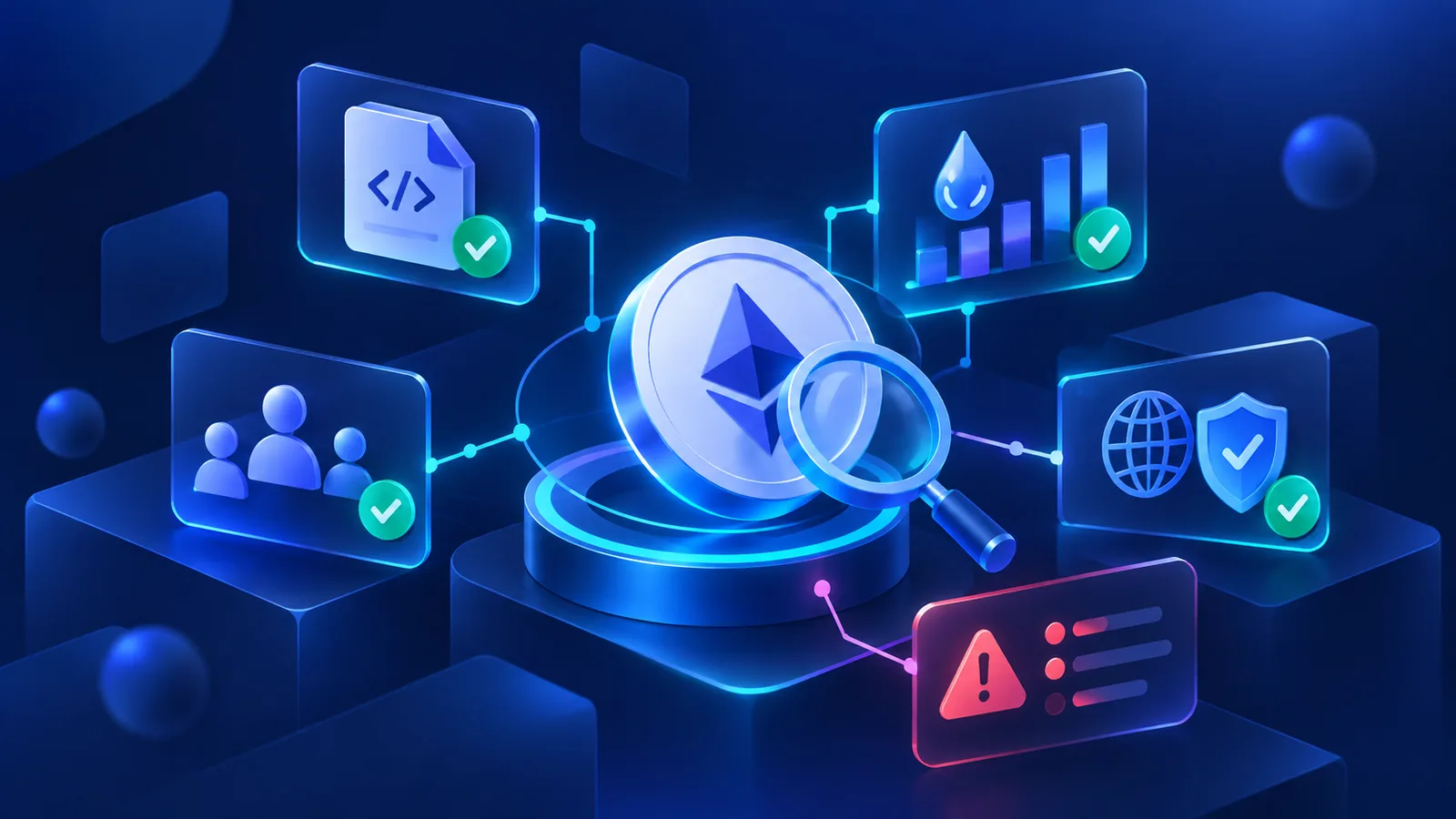
MetaMask now compares destination addresses with prior activity and can warn when a new address closely resembles one you used before. It can also warn when you are sending to a completely new destination.
These features are useful, but they do not remove the need for verification. A legitimate new address can trigger a warning, while a sophisticated scam may not always be detected.
The safe decision comes from confirming the destination through a trusted source.
How to verify an address before sending
Use this process for important transfers:
Copy the address from the receiving wallet, verified account or official exchange page.
Compare the full address, not only the first and last characters.
Avoid copying from transaction history.
Use saved contacts for frequently used destinations after verification.
For large transfers, consider a small test when practical.
If a hardware wallet is used, verify the destination on the hardware device screen before signing.
What to do if you already sent to a poisoned address
If a transaction is confirmed to the wrong address, it usually cannot be cancelled. Record the transaction hash, destination address, amount and time.
Contact the relevant wallet or exchange support if a platform was involved, but do not assume they can reverse an on-chain transfer.
You can also report malicious addresses to blockchain abuse reporting services. Reporting may help warn other users even when recovery is not possible.
How this connects to SimpleSwap
When creating a swap, the recipient address determines where the output asset will be sent. Copy that address directly from the wallet that should receive the funds.
Likewise, when SimpleSwap shows a deposit address, copy it from the current exchange page. Do not replace it with an address from an old exchange or transaction history.
If you need to understand on-chain status, use the transaction hash guide instead of relying on address familiarity.
FAQ
Does address poisoning mean my wallet was hacked?
No. The attacker usually does not need access to your wallet. The scam targets your copy-and-paste behavior.
Why do scammers send zero-value transactions?
Their goal can be to place a look-alike address into transaction history at very low cost.
Can I stop someone from sending to my public address?
Usually no. Public blockchains allow unsolicited transactions. The key defense is not copying an unverified address.
Is checking the first and last four characters enough?
No. Poisoned addresses are designed to imitate those visible parts. Check more of the address or use a verified contact.
Can a confirmed wrong-address transaction be reversed?
Generally no. Blockchain transfers are usually irreversible once confirmed.