



Quick answer
A memo, destination tag or similar extra identifier tells a receiving service which customer or payment should receive the funds. It is separate from the blockchain address and is required only for certain assets and receiving setups.
The exact name depends on the network or service. XRP Ledger uses destination tags. Stellar transactions can include memo fields. Other platforms may use a memo, payment ID or comment. If the receiving page shows one, treat it as part of the destination details.
Why one address can need an extra identifier
A crypto exchange or payment service may use a shared blockchain address for deposits from many customers. The blockchain can show that funds arrived at that address, but the service still needs an internal way to know which account should receive credit.
A destination tag or memo solves this mapping problem. On XRP Ledger, a destination tag is a numerical value that can identify the beneficiary behind a shared address. The tag does not replace the address; it adds routing information for the receiving service.
When do you need a memo or tag?
You need one when the receiving platform explicitly shows it as required. The same cryptocurrency may require a tag at one destination but not at another, because the requirement depends on how the receiver manages deposits.
Do not guess based on the asset ticker alone. Open the receiving deposit screen and copy every required field.
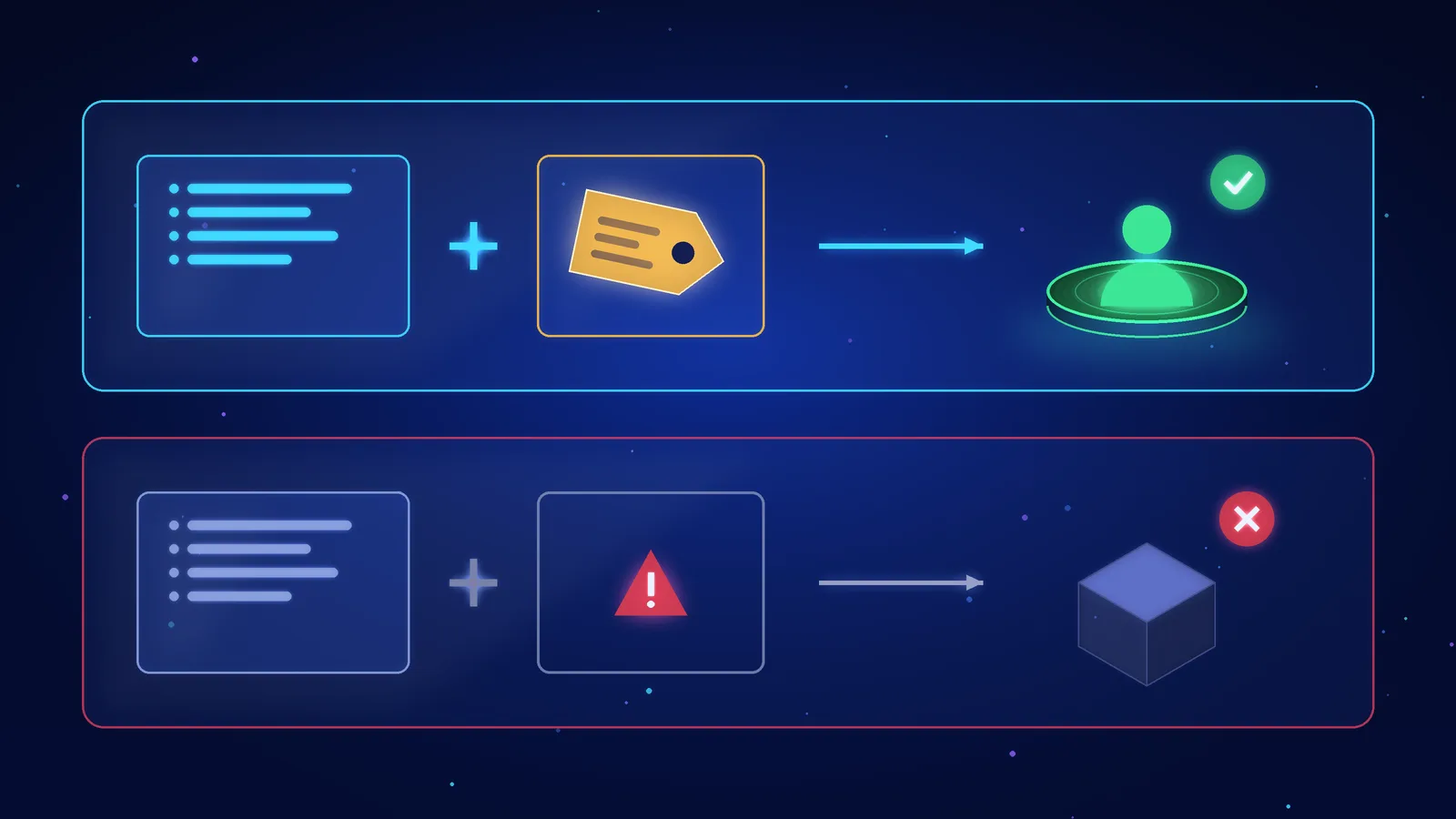
What happens if the memo or tag is missing?
The funds may still reach the shared blockchain address, but the receiving service may not know which user account to credit. In that case, automatic deposit processing can fail and a manual support review may be required.
Recovery is not guaranteed and can take time. A service may ask for the transaction hash, amount, sending address, destination address and account information before it can investigate.
What if the tag is wrong?
An incorrect tag can be more complicated because it may point to a different internal account or simply fail validation. Never “fix” the issue by sending another full deposit without understanding the first transaction.
Contact the receiving service using its official support channel and provide public transaction evidence. Never share a seed phrase or private key as part of a memo recovery request.
How to verify deposit details before sending
Copy the destination address directly from the receiving page. If a memo, destination tag or payment ID is shown, copy it at the same time. Compare the asset and network on both sides.
Before approving the transaction, review the recipient, extra identifier, amount and fee. If you are unfamiliar with the destination and the platform permits it, a small test transfer can reduce operational risk, although minimum deposit rules still apply.
How this connects to SimpleSwap
When SimpleSwap displays an extra identifier for a deposit or receiving route, copy it exactly as shown. Likewise, if you use an exchange account as the receiving destination for a SimpleSwap output, the exchange may provide a memo or tag together with its deposit address.
Treat the address and memo/tag as one destination package. Save the transaction hash and exchange ID after sending so the transfer can be traced if support is needed.
FAQ
Is a destination tag the same as a wallet address?
No. The address identifies the blockchain destination; the tag or memo can identify the customer or payment inside a receiving service.
Do all XRP transfers need a destination tag?
No. It depends on the receiving account or service. Use a tag when the receiver provides or requires one.
Can I recover a deposit sent without a memo?
Sometimes, depending on the receiving service and evidence available. Contact the receiver’s official support team.
Should I reuse an old memo from transaction history?
No. Copy the current deposit details from the receiving platform because identifiers can be account- or payment-specific.