

Quick answer
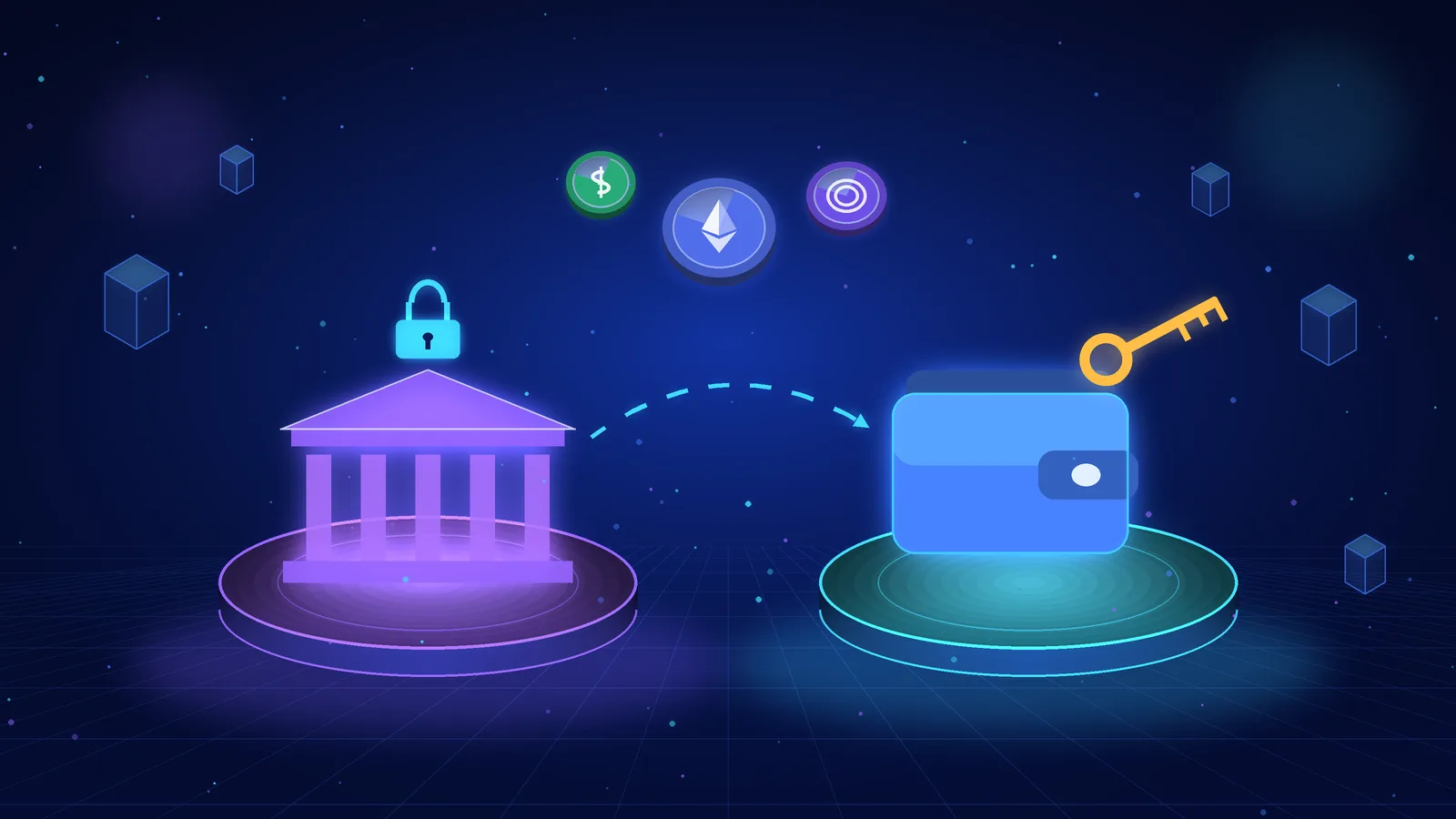
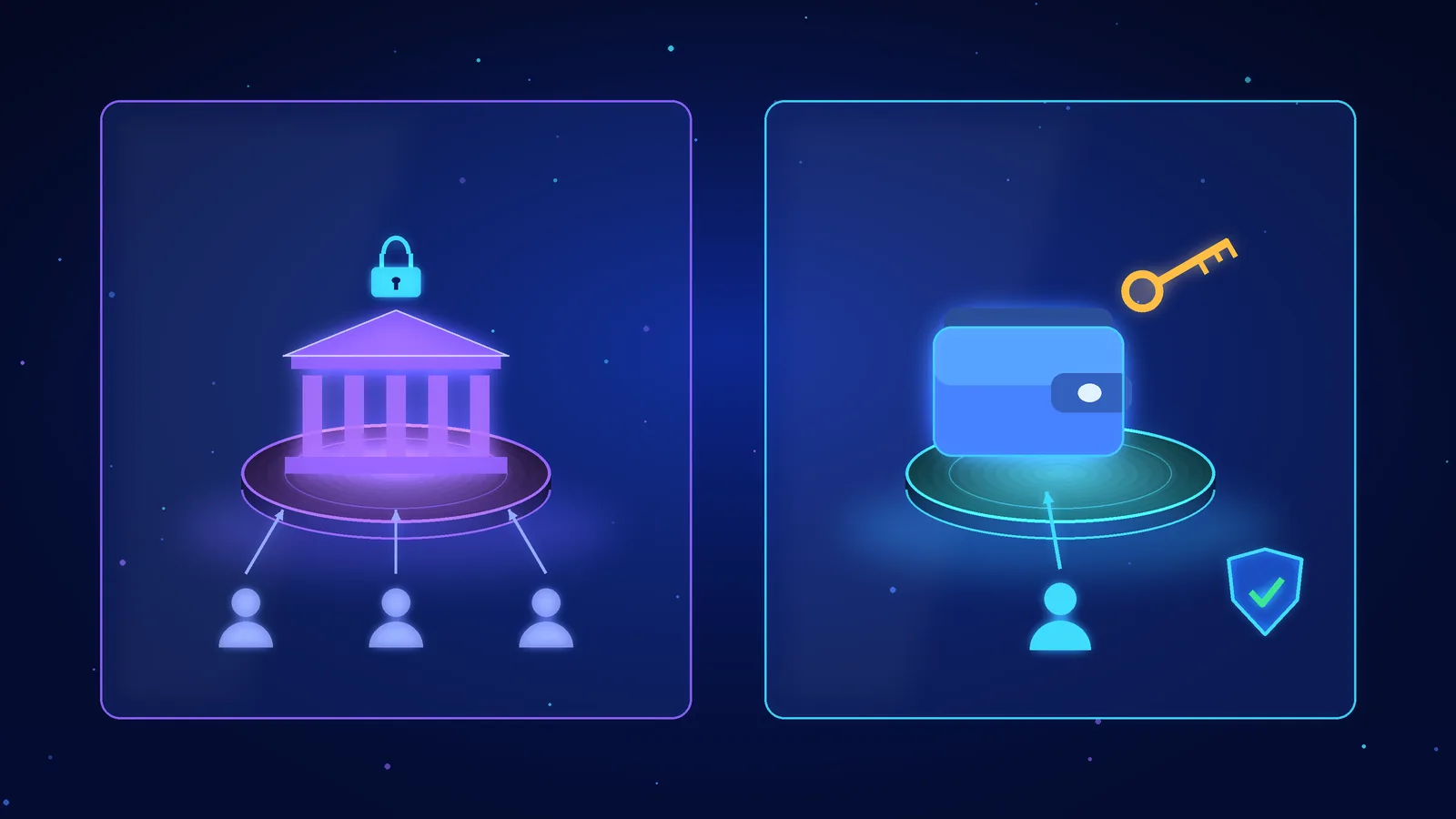
The simplest difference between a crypto wallet and an exchange account is who controls the private keys. A custodial exchange holds keys on behalf of customers and lets them move funds through an account interface. A self-custody wallet gives the user direct control of the keys and requires the user to authorize blockchain transactions.
Neither model is automatically “better” for every situation. They solve different jobs and create different responsibilities. The important part is understanding which model you are using before you send funds.
What is a custodial exchange account?
A custodial exchange account works more like a traditional online financial account. You usually sign in with credentials, may complete identity verification and can recover account access through the provider’s procedures.
The provider manages the private keys used to move blockchain assets. When you request a withdrawal, the platform processes it according to its own security controls, network support, minimums, fees and withdrawal policies.
Because the provider controls signing infrastructure, a withdrawal may not be broadcast instantly even after you submit it. Internal reviews, maintenance or network conditions can affect timing.
What is a self-custody wallet?
A self-custody wallet gives you direct cryptographic control. The wallet application or hardware device manages your keys, and you approve transactions yourself.
This model removes the need to ask a custodian to authorize a normal blockchain transfer, but it also makes the user responsible for recovery information, transaction review and device security. If you lose the only wallet backup, there may be no support desk that can restore access.
Why the difference matters for swaps
When funds come from a self-custody wallet, you normally choose the transaction, network fee and recipient directly in the wallet. When funds come from an exchange, you use the exchange’s withdrawal screen and must follow the networks and withdrawal rules it supports.
This can affect the deposit step of a SimpleSwap exchange. A network listed in a self-custody wallet may not be offered by the exchange you are withdrawing from. The asset ticker alone is not enough; the withdrawal network must match the deposit network required by the swap.
Exchange withdrawals may also include platform fees or minimum withdrawal amounts that are separate from the blockchain network fee.
Recovery and security are different
A custodial account can often be recovered by resetting credentials and completing identity checks. That convenience means you rely on the provider’s security and custody systems.
A self-custody wallet relies on the user’s keys and recovery method. The provider of the wallet software may not be able to restore funds if the recovery information is lost.
For beginners, the most important habit is to know which kind of account holds the funds before following recovery or security instructions.
Common mistake: treating an exchange deposit address like a personal wallet
A deposit address shown by an exchange may be controlled by the exchange, not by the user. Some assets also require a memo or destination tag so the exchange can credit the correct customer account.
A self-custody wallet address is different because the user controls the corresponding keys. This distinction is important when troubleshooting deposits, migrations and account recovery.
How this connects to SimpleSwap
SimpleSwap supports wallet-to-wallet exchanges. Users can send the deposit from a self-custody wallet or, where the sending platform permits it, from a custodial exchange withdrawal.
Before sending from an exchange, confirm the withdrawal network, minimum amount and any platform-specific delay. Before sending from a self-custody wallet, confirm the network, recipient and fee. In both cases, save the transaction hash after the transfer is broadcast.
FAQ
Is an exchange account a crypto wallet?
It can be described as a custodial wallet experience, but the platform controls the underlying keys rather than the user.
Can I use an exchange withdrawal to fund a SimpleSwap exchange?
Potentially, if the exchange supports the exact asset and network required and the withdrawal meets amount and timing requirements.
Which is safer: an exchange or self-custody wallet?
Safety depends on the provider, device security, user practices and recovery setup. The custody model changes who carries the main responsibility.
How do I know if I have self-custody?
A strong indicator is that you control the wallet recovery method and private keys rather than relying on the platform to reset access.