

Quick answer
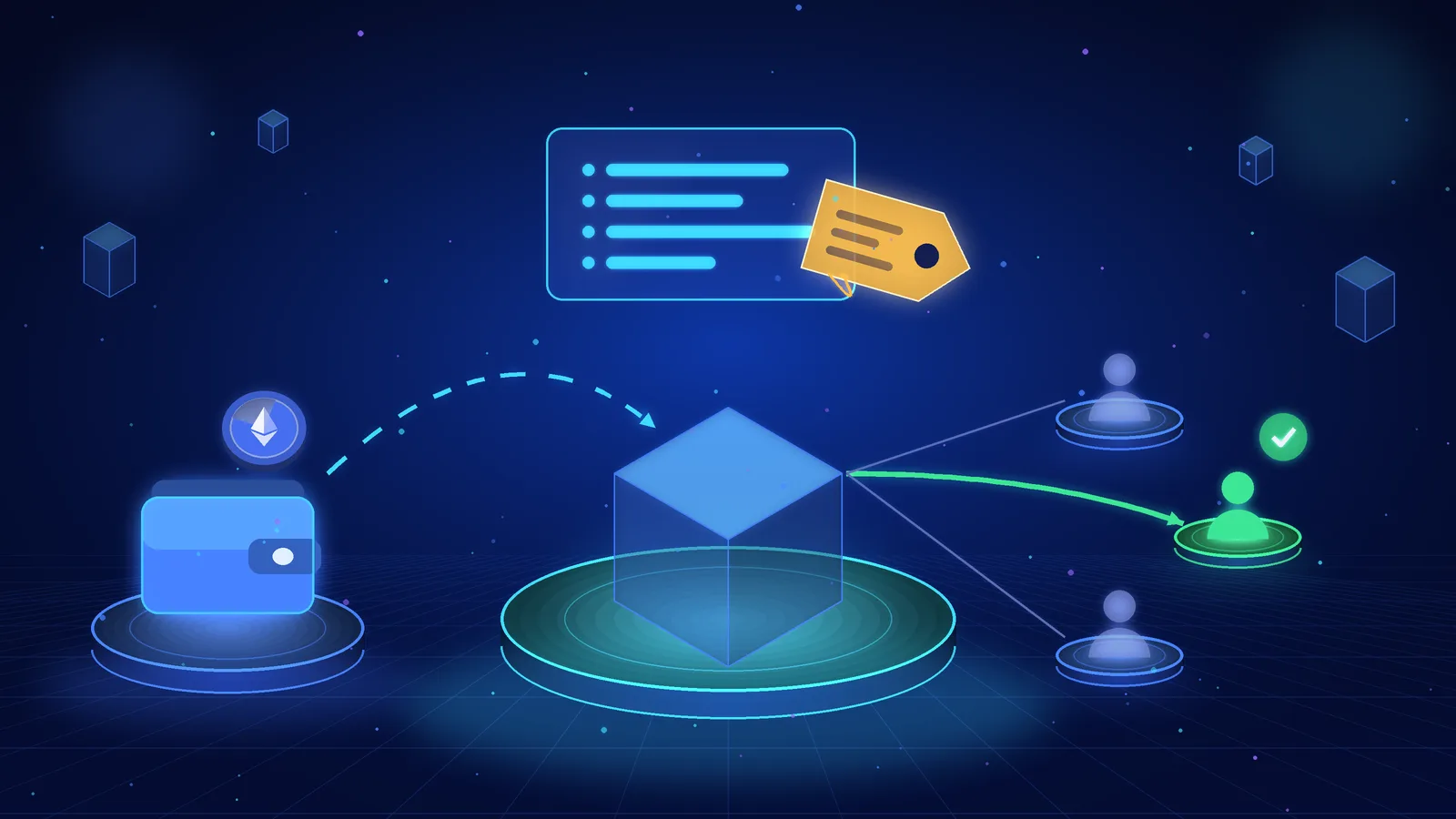
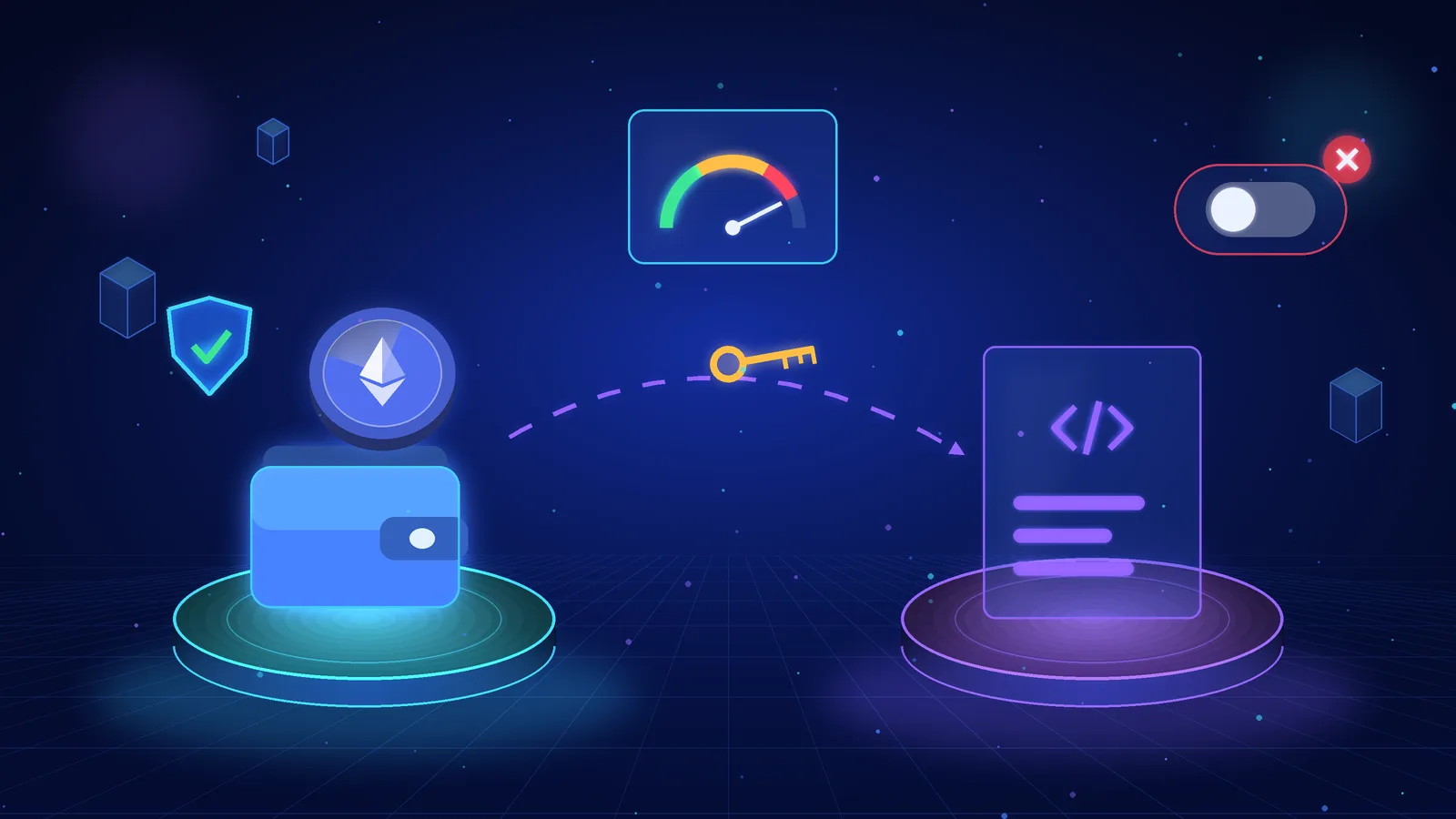
A token approval is an on-chain permission that allows a smart contract or dapp to spend a specific token from your wallet. Approvals are common in DeFi because a smart contract needs permission before it can move ERC-20-style tokens for a swap, deposit or other action.
The important security point is that an approval can remain active after the original interaction. Users should understand what they approve, limit permissions when possible and periodically review allowances they no longer need.
Why dapps ask for token approvals
When you interact with a decentralized exchange or another smart contract, the application may need to move tokens from your wallet into a contract. Instead of asking for a fresh manual transfer every time, token standards can use an allowance system.
You sign an approval transaction that specifies which contract can spend a token and, depending on the interface, how much it can spend. The later swap or deposit then uses that permission.
Approval is not the same as wallet connection
Connecting a wallet to a dapp can allow the site to see the public address and request signatures. A token approval is different because it creates a blockchain permission for a contract to move an approved token amount.
MetaMask explicitly notes that disconnecting a dapp does not automatically revoke token approvals. If an allowance exists on-chain, it remains until it is changed or revoked.
Why unlimited approvals can be risky
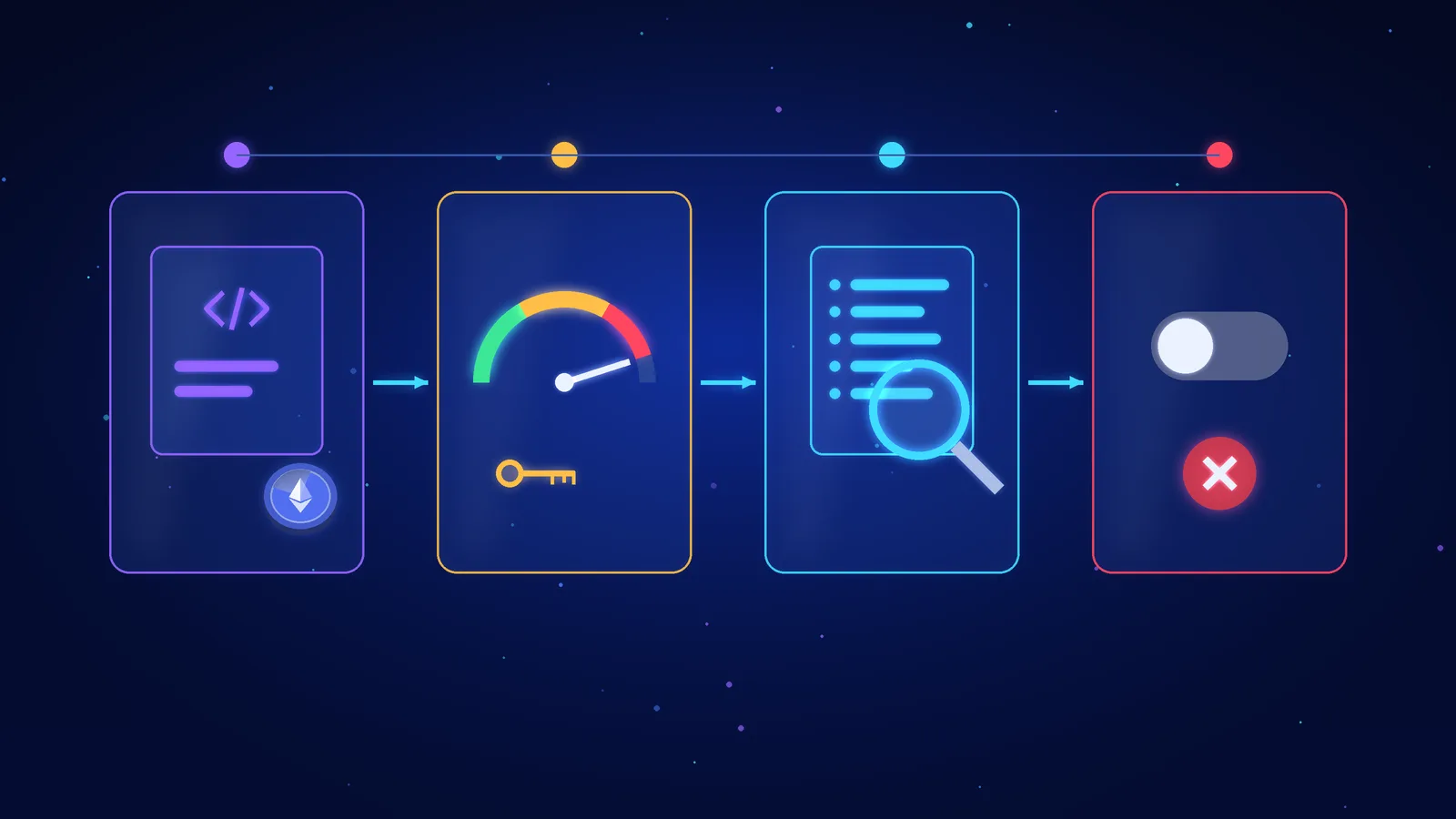
Some dapps request a very large or effectively unlimited allowance for convenience. This reduces repeated approval transactions, but it increases the amount a contract could potentially access if the contract is malicious or later compromised.
An unlimited approval does not mean the dapp immediately takes all tokens. It means the permission ceiling is very high. Users should decide whether that convenience is appropriate for the protocol and amount involved.
How to review an approval request
Check the website domain, contract or application you are interacting with, the token being approved and the spending amount. If the wallet shows a suspicious request or an allowance far larger than expected, stop and verify before signing.
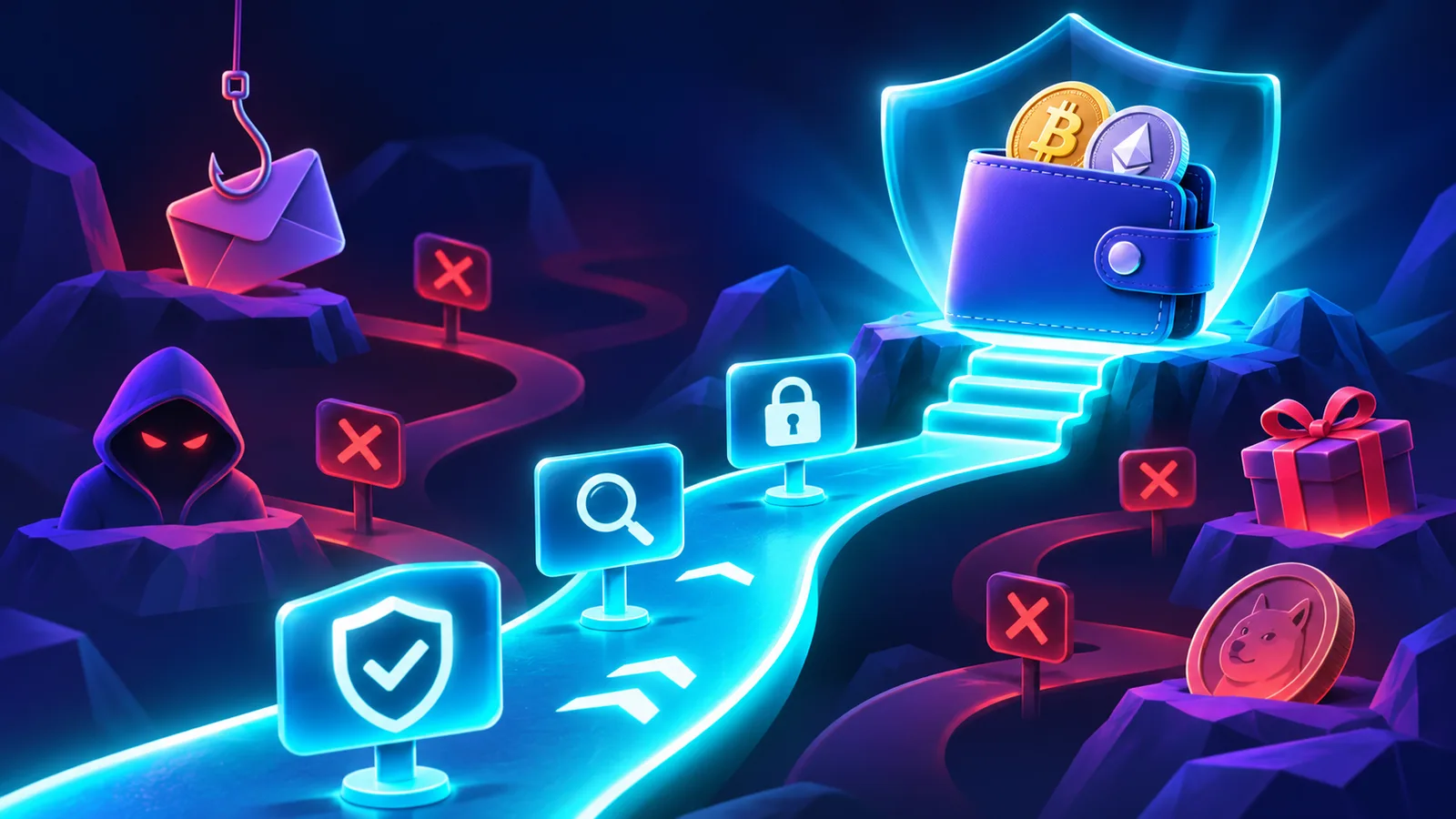
Approval prompts are a common phishing target. Fake airdrops and malicious sites may try to persuade users to sign permissions that have nothing to do with the action they expected.
How to revoke token approvals
Revoking an approval changes the allowance on-chain, usually by setting it to zero or a lower value. MetaMask Portfolio and several block explorers provide approval-management interfaces on supported networks.
Because revocation is an on-chain transaction, it normally requires a network fee. Use official wallet tools or well-known approval checkers reached through trusted links. Avoid random “revoke” websites sent through direct messages.
When should you review allowances?
Review permissions after experimenting with unfamiliar dapps, after a protocol incident, when you no longer use a service or as part of regular wallet maintenance.
You do not need to panic about every approval. The goal is to reduce unnecessary exposure and understand which contracts still have permission to move specific tokens.
How this connects to SimpleSwap
A normal SimpleSwap wallet-to-wallet exchange does not require users to hand over private keys. Depending on how you send the deposit, your wallet may simply make a direct transfer rather than granting a third-party token allowance.
If you interact with other DeFi apps before or after a swap, remember that old approvals belong to those smart contracts. Reviewing them is part of broader wallet hygiene, separate from the exchange itself.
FAQ
Does connecting my wallet give a website access to all my tokens?
Not by itself. A connection and a token approval are different permissions. Always review what the wallet is asking you to sign.
Does disconnecting a dapp revoke its token approval?
No. Disconnecting the site does not automatically remove an on-chain allowance.
Does revoking an approval cost gas?
Usually yes, because revocation is an on-chain transaction.
Should I revoke every approval immediately?
Not necessarily. Review whether the approval is still needed and whether you trust the contract. Removing unused or suspicious allowances reduces exposure.